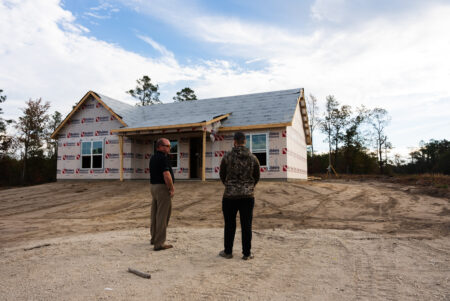
Building a home on land you already own is one of the most rewarding decisions a property owner can make. You have the freedom to choose your floor plan, control the construction timeline, and invest in a home that fits your land and your life. But the process involves more than simply hiring a builder and breaking ground. From site evaluation to permitting to construction management, every phase requires careful attention. If you’ve ever asked yourself, “How do I build a home on my lot?” this guide walks you through each step so you can move forward with confidence and clarity.
Step 1: Evaluate Your Land Before Anything Else
The first and most important step is understanding what your lot can support. Not every parcel of land is immediately ready for construction. Factors like soil composition, slope, drainage patterns, and proximity to flood zones all affect where and how a home can be placed. A professional land survey will establish your property boundaries, identify any easements, and flag potential grading challenges before they become costly surprises.
You’ll also want to confirm access to utilities, such as water lines, electrical connections, and septic or sewer systems, which must all be accounted for during the planning phase. Addressing these questions early helps your builder design a home that works with the natural characteristics of your lot rather than against them.
Step 2: Understand Zoning and Permitting Requirements
Before a single piece of lumber is ordered, your lot must be properly zoned for residential construction. Local municipalities in South Carolina and Georgia each have their own zoning ordinances, building codes, and permit requirements. Some areas also have additional covenants or homeowner association rules that restrict certain design features or structures.
Navigating this regulatory landscape can feel overwhelming, but an experienced builder who works in your specific region will already be familiar with local requirements. They can help you submit the right applications, anticipate approval timelines, and avoid the costly delays that come from incomplete or incorrect filings. Proper permitting isn’t just a legal obligation; it protects your investment and ensures the home is built to a safe, inspectable standard.
Step 3: Select a Floor Plan That Works for Your Property
Once your land has been assessed and your permits are on track, it’s time to choose a floor plan. Unlike fully architected one-off designs, templated floor plans offer a proven, cost-effective path to a well-built home. These plans have been refined over multiple builds and are designed to meet the most common homeowner needs, from open-concept living to multi-bedroom layouts that accommodate growing families. The key is selecting a plan that complements your lot’s dimensions, orientation, and terrain. A good builder will walk you through available options and help you identify which floor plans are best suited to your specific property. This alignment between the plan and the land is essential for both functional and aesthetic outcomes.
Step 4: Partner With a Builder Who Specializes in Lot Builds
Not every home builder has experience working on privately owned land. Building on your own lot introduces variables that don’t exist in a standard subdivision, including site access, utility connection distances, and custom grading requirements. Choosing a builder with specific expertise in lot construction means your project is managed by a team that has already solved these challenges before.
Look for clear communication, transparent timelines, and a portfolio of completed lot builds in your area. References and site visits can give you a firsthand look at the quality of work you can expect. The right team will keep you informed at every stage and work proactively to keep your project on schedule and within budget.
Step 5: Manage the Build With Precision and Purpose
Once construction begins, active project management becomes the difference between a smooth experience and a stressful one. Regular site inspections, progress updates, and open lines of communication with your builder help catch small issues before they escalate.
Budgeting for contingencies is also a wise practice, even the most well-planned builds can encounter unexpected site conditions or material delays. Staying engaged throughout the process ensures that your floor plan is executed correctly and that every finish, fixture, and structural element meets your expectations. The goal is a home that reflects thoughtful planning and skilled execution at every level.
Build With Confidence on Your Land
At Build On Your Land, we specialize in helping landowners across Aiken, SC, Columbia, SC, Augusta, GA, and Greenville, SC turn their property into a place they’re proud to call home. Whether you’re just starting to explore your options or you’re ready to move into the permitting phase, our team is here to guide you every step of the way.
We handle site evaluation, floor plan selection, permitting, and full construction management so you can focus on the excitement of watching your home come to life. Contact us today to learn how we help answer the question of “how do I build a home on my lot?” with precision, professionalism, and lasting quality.